Tired of the same old fuel routine? What if you could tap into a sharper throttle response, smoother power, and greater engine protection on demand? Octane boosters are more than a shelf product; they’re a strategic tool for drivers who understand their vehicle’s true needs. While myths abound, the real story is about chemistry meeting specific demand. This guide cuts through the confusion to show you exactly when and how a quality octane booster becomes the smartest investment for your car’s performance and health.
Think of your engine as a finely tuned instrument, and fuel as its sheet music. Higher octane ratings allow for more complex, powerful compositions, especially in performance and turbocharged engines. Yet, many drivers fill up with standard fuel and accept the performance their engine delivers, unaware that subtle detuning is often happening to prevent knock. An octane booster is like a precision adjustment, raising the fuel’s knock resistance and allowing your engine’s computer to safely advance timing back to its optimal map. This isn’t about creating power from a bottle; it’s about reclaiming the power your engine was designed to deliver but can’t on pump fuel alone.
For the savvy driver, an octane booster isn’t a constant crutch but a tactical solution. It’s for that cross-country road trip where you can’t find 93 octane, for the track day where every ounce of performance counts, or for the older classic car pinging on modern ethanol-blended fuel. It’s about understanding the gap between what your vehicle needs and what the local pump provides. By learning to bridge that gap intelligently, you take direct control over combustion quality, engine cleanliness, and overall efficiency. This guide will navigate you past the marketing claims to the practical, effective use of octane boosters as part of a smarter driving strategy.
Octane Demystified – Your Engine’s Thirst for Stability
At its core, octane is a measure of fuel stability. It rates a gasoline’s ability to resist unwanted self-ignition under pressure and heat. This resistance is not about how much energy the fuel contains, but rather about its composure under the extreme conditions inside your engine’s cylinders. Think of it as the fuel’s discipline, its capacity to wait for the precisely timed command of the spark plug before exploding. This characteristic becomes the foundation of both engine safety and performance, making it far more than just a number on a pump.
Your engine operates on a carefully choreographed sequence. The piston moves upward, compressing a mixture of air and fuel into a tiny, volatile space. This compression dramatically increases the mixture’s temperature and pressure. At the exact optimal moment, the spark plug fires, initiating a controlled burn that pushes the piston down with smooth, forceful efficiency. This is how power is properly made. The engine’s computer, or ECU, is the conductor of this event, constantly adjusting the timing of the spark to maximize power and efficiency based on sensor data.
The problem, known as engine knock or detonation, occurs when the fuel mixture loses its composure. Under high heat and pressure, pockets of the mixture can ignite spontaneously before the spark plug fires. This creates a sudden, violent shockwave that collides with the still-rising piston. That metallic pinging sound is the literal sound of internal chaos, a clash of forces that robs power, reduces efficiency, and over time, can damage pistons, rings, and cylinder heads. Knock is your engine’s direct feedback, a clear signal that the fuel’s stability is insufficient for the conditions you are asking it to endure.
This vulnerability is magnified in certain engine designs. High-performance engines, including those with turbochargers, superchargers, or naturally high compression ratios, are built to generate more power by creating significantly greater cylinder pressure. This very design that unlocks potential also creates an environment where fuel is more likely to knock. These engines are literally engineered for high-octane fuel; using anything less forces the computer to intervene by retarding ignition timing, a process that sacrifices power and responsiveness to prevent mechanical damage. Without the correct fuel, these engines cannot operate as designed.
An octane booster directly addresses this fundamental need for stability. It is formulated to increase the fuel’s resistance to premature ignition. By raising the effective octane level in your tank, you provide the chemical stability your engine requires to operate smoothly under load, heat, and boost. This allows the ECU to confidently run the more aggressive, performance-oriented timing maps, translating into the horsepower and throttle response the engineers intended. In this context, an octane booster is not an additive but an enabler, supplying the missing component that allows advanced engine designs to safely achieve their full potential.
Beyond the Pump: The Strategic Advantages of Boosting
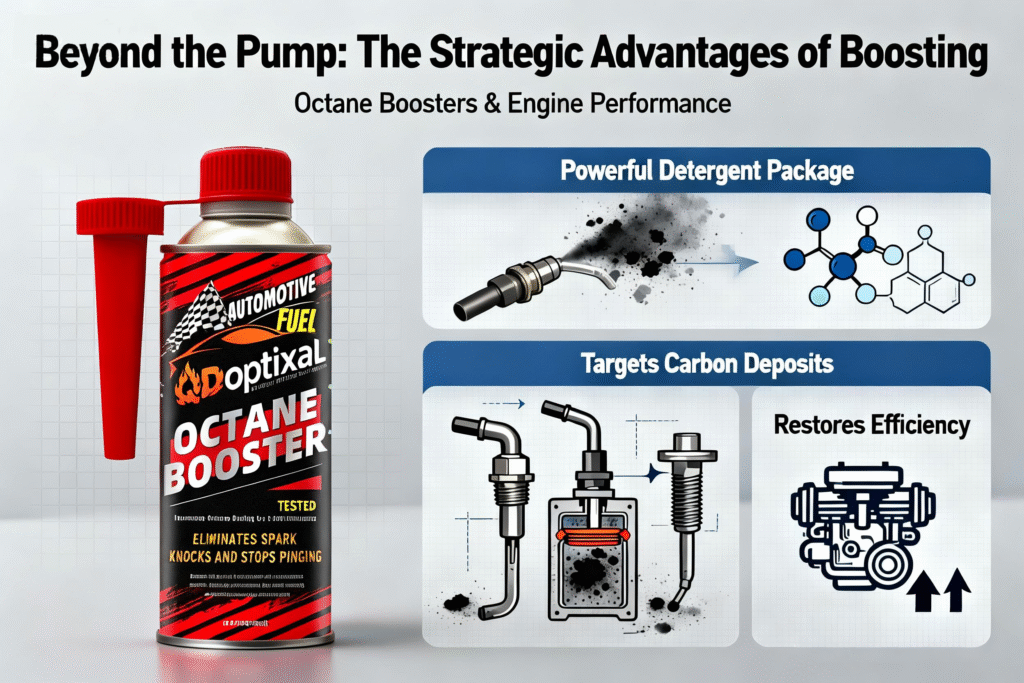
Premium fuel from a reputable station is the reliable foundation for any engine, but driving is not confined to ideal conditions. Real world situations often demand more than what a standard pump can provide. This is where a quality octane booster transitions from a generic product to a strategic tool in your maintenance kit. It empowers you to adapt and optimize your fuel for specific challenges, ensuring your engine receives the protection and performance it needs exactly when it needs it most.
Consider the scenario of demanding performance. Whether you are preparing for a track day, towing a heavy trailer up a long grade, or enjoying a spirited drive on a winding mountain road, your engine operates under sustained high stress. These conditions generate intense heat and pressure within the cylinders, pushing the fuel’s stability to its limit. An octane booster acts as a direct reinforcement. By elevating the fuel’s knock resistance, it provides the necessary headroom for your engine’s computer to maintain optimal, and often more advanced, ignition timing. This prevents the power-robbing retarding of timing that would otherwise occur, allowing you to access the full, smooth power your vehicle is capable of producing during these critical moments.
Another key advantage is the assurance of fuel quality insurance. Travel, especially across rural areas or different regions, can expose your vehicle to gasoline of inconsistent or questionable quality. A lower than advertised octane rating or inadequate detergent levels in a tank of fuel can lead to immediate knocking and long term deposit buildup. Adding a booster when filling up in an unfamiliar location is a proactive and prudent measure. It mitigates the risk of poor fuel by bolstering its octane rating and enhancing its cleaning capacity, safeguarding your engine’s performance and internal health. This turns a potential problem into a non issue, giving you peace of mind on every journey.
From a financial perspective, an octane booster can also serve as a tool for cost effective optimization. For drivers whose vehicles require premium fuel but are facing a temporary price surge, or for those who have access only to mid grade fuel, a booster presents a sensible alternative. The cost of a single bottle to raise a tank of 91 octane fuel to an effective 93 or 94 rating is typically far less than the price difference of filling the entire tank with specialty racing fuel. This allows for targeted expenditure, letting you address the specific octane requirement without a disproportionate financial outlay for capabilities you do not need for daily driving.
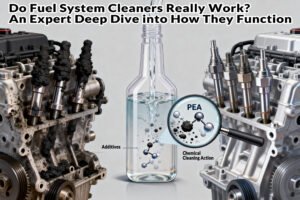
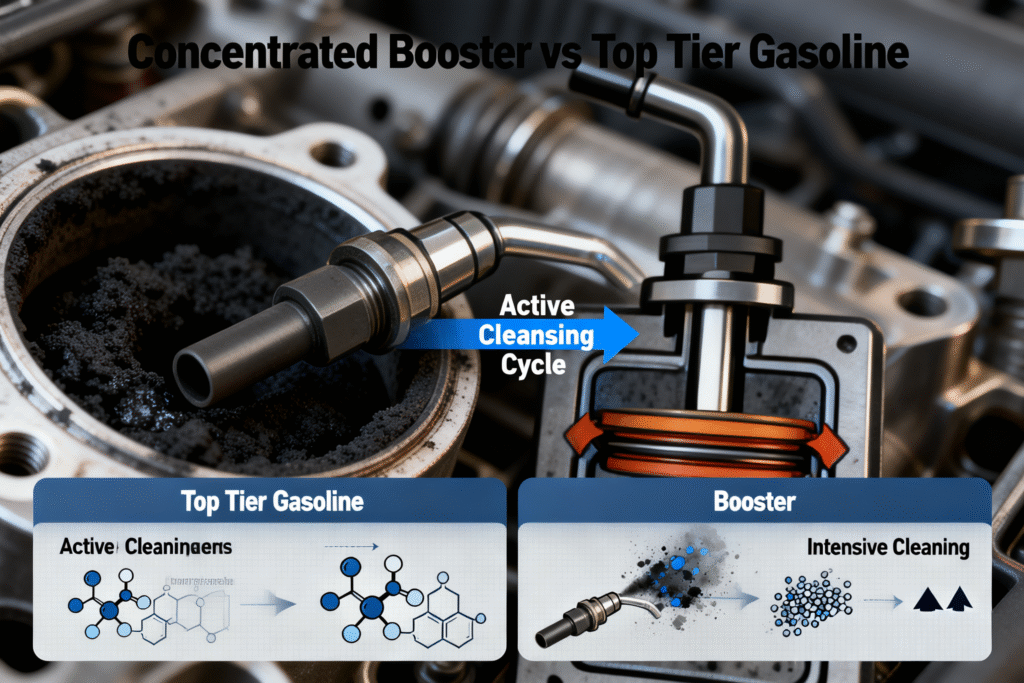
Furthermore, many advanced octane booster formulations integrate powerful detergent packages. These chemicals are designed to actively cleanse the fuel system, targeting carbon deposits on fuel injectors, intake valves, and within combustion chambers. While top tier gasoline contains excellent detergents for maintenance, a concentrated booster delivers an intensive cleaning cycle. This helps restore lost efficiency, smoothness, and responsiveness by ensuring a precise fuel spray pattern and unobstructed air flow. This cleaning action works in concert with the octane enhancement, not only unlocking performance but also promoting the long term vitality and efficiency of your engine’s most critical components.
Choosing Wisely – How to Select a Booster That Actually Works
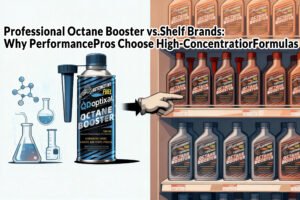
Navigating the aisle of octane boosters can be confusing, with countless bottles making dramatic claims. The critical difference between a product that delivers tangible results and one that is merely colorful liquid lies in understanding the active ingredients on the label. Your selection should be guided by proven chemistry, not marketing hyperbole. Discerning the specific compounds that actually alter fuel stability will empower you to make a choice that truly benefits your engine.
The most effective octane boosters historically relied on metallic compounds like MMT or ferrocene to prevent engine knock by altering fuel combustion. While potent, these ingredients can, over extreme long-term use, leave deposits on engine components.
Modern, forward-thinking formulations have moved beyond these materials. Our advanced booster utilises Dimethyl Carbonate (DMC), an industry-recognised alternative. DMC is an effective octane enhancer celebrated for its clean-burning properties, producing no metallic residues. Furthermore, it is distinguished by its very low toxicity and environmental profile, aligning with contemporary standards for both engine care and ecological responsibility.
This strategic evolution in chemistry delivers the crucial performance benefit—smoother, knock-free combustion for increased power and efficiency while actively safeguarding your engine’s long-term health from internal deposits.
A major point of confusion and marketing trickery involves the unit of measurement. You will often see products boasting about boosting octane by a certain number of points. It is vital to understand that in fuel terminology, one point equals one-tenth of a full octane number. A product claiming a fifty point boost sounds impressive, but it means an increase of five full octane numbers. More importantly, many cheaper products use this terminology hoping you will not understand the scale. A truly effective product will often state its capability in clear terms, such as raises octane by up to three numbers. This clarity indicates a manufacturer confident in delivering a substantive change, not just a mathematical illusion. Your focus should always be on the actual octane number increase, not the point claim.
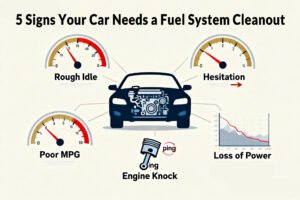
Beyond the core octane-enhancing chemical, the best products offer added value through advanced detergent packages. A superior octane booster does more than just resist knock, it also actively cleans. Look for formulations that include powerful cleaning agents designed to remove carbon deposits from fuel injectors, intake valves, and piston tops. These deposits rob power and efficiency by disrupting proper air and fuel flow and by creating hot spots that can actually cause knock. A booster that combines stability enhancement with a thorough cleaning cycle addresses performance from two angles. It provides the immediate benefit of knock suppression for power and protects your investment by helping to restore and maintain engine efficiency and longevity over time.
Therefore, your selection process should be methodical. First, examine the ingredient list for a modern, effective, and clean-burning active compound like Dimethyl Carbonate (DMC). Second, interpret the performance claims realistically, prioritizing a clear statement of octane number increase over vague point boasts. Third, choose a product that includes a reputable detergent package to gain comprehensive cleaning benefits alongside the boost. Finally, always follow the dosage instructions precisely, as more is not always better and can lead to unnecessary expense. By applying this knowledge, you move from guessing to choosing, ensuring that the bottle you add to your gas tank is a genuine tool for optimisation, not just an optimistic accessory.
Conclusion
In the world of automotive performance and maintenance, knowledge is the ultimate upgrade. Octane boosters, as we have explored, are not a universal miracle solution but a precise instrument. Their value is unlocked not through routine use, but through strategic application. For the driver who understands the specific demands of their engine and the limitations of pump fuel, a quality booster becomes a powerful tool. It provides the critical stability needed for peak performance under load, acts as insurance against substandard fuel, and offers a cost-effective way to meet precise octane requirements in targeted situations. This transforms the product from a questionable gamble into a justifiable component of a smart driving strategy.
The journey from confusion to confidence is completed by choosing the right product. This means looking past legacy formulas and embracing advanced, clean-burning chemistry. Modern, effective boosters utilize innovative components like Dimethyl Carbonate (DMC) a non-metallic octane enhancer celebrated for its efficacy without the harmful deposits associated with older metallic compounds. By understanding the real meaning behind octane number increases and selecting a formula that combines this enhanced stability with a commitment to engine cleanliness, you equip yourself with a booster that delivers measurable results. This informed selection process is what separates a forward-thinking enhancement from a costly compromise.
Ultimately, mastering the use of a modern octane booster is a hallmark of the smart driver. It represents a shift from passive consumption to active optimization with cleaner technology. It is about taking precise control of the combustion process to ensure your engine operates at its intended potential safely, efficiently, and without compromise. By integrating this knowledge and the right advanced formula into your approach to vehicle care, you stop leaving performance and protection on the table. You move forward with the assurance that you possess both the understanding and the advanced tools to deliver exactly what your engine needs, precisely when it needs it most.
Frequently Asked Questions
1. Will an octane booster actually increase my car’s horsepower?
In engines designed for higher octane fuel, such as those with turbochargers, superchargers, or high compression ratios, the answer is yes, it can. The booster itself does not contain power; instead, it increases the fuel’s knock resistance. This allows your engine’s computer to safely optimize the ignition timing, often advancing it to a more powerful setting that was previously inaccessible due to the risk of detonation. In this scenario, you are not adding new power but restoring the power your engine was designed to deliver when fed the proper fuel.
2. Are octane boosters safe for my modern car’s sensors and catalytic converter?
Yes, when used as directed with a modern, quality product, octane boosters are safe for your car’s sensitive emissions systems, including oxygen sensors and the catalytic converter. The key is in the formulation. Advanced boosters that utilize clean-burning, non-metallic octane enhancers like Dimethyl Carbonate (DMC) are designed specifically for compatibility. These compounds elevate fuel stability without leaving the harmful metallic residues associated with older chemistries, thereby protecting your vehicle’s vital components from long-term deposit buildup.
For the strategic, situational use recommended in our guide—such as compensating for lower-quality fuel, towing, or during high-performance driving—a DMC-based booster presents a negligible risk. By choosing a product engineered with modern, sensor-safe ingredients, you can confidently achieve the performance benefits of higher octane while actively supporting the long-term health and efficiency of your entire emissions control system.
3. Is it cheaper to use an octane booster instead of buying premium fuel?
For daily driving, consistently using the manufacturer-recommended octane fuel from the pump is more straightforward and cost-effective. The value of a booster is in specific, targeted situations. It is more economical when you need to raise the octane of a tank of mid-grade fuel to meet a premium requirement temporarily, or as insurance against a single tank of poor-quality fuel. It is a tool for strategic optimisation, not a wholesale replacement for the correct gasoline.
4. Do octane boosters clean my engine as well as dedicated fuel system cleaners?
Many high-quality boosters include potent detergent packages that provide excellent cleaning benefits for fuel injectors and intake valves. However, their primary function is to enhance octane. For a dedicated, intensive cleaning cycle to remove stubborn deposits, a specialised fuel system cleaner is often the best tool. Think of it this way: a good octane booster offers cleaning as a valuable bonus, but a dedicated cleaner is a focused treatment for that specific purpose.